
LIFESTYLE DISEASE
PREVENTION STARTS WITH YOUR DAILY CHOICES:
UNDERSTANDING LIFESTYLE-RELATED HEALTH CONDITIONS AND THE POWER OF SMALL CHANGES. Your health is one of your greatest assets. And the choices you make every day can help protect it. Across the United States, millions of people are living with chronic conditions such as heart disease, high blood pressure, type 2 diabetes, obesity, and fatty liver disease. While genetics, age, environment, and other factors influence our health, our daily lifestyle habits also play an important role. The encouraging news is that positive changes in nutrition, movement, sleep, stress management, and alcohol consumption can significantly reduce the risk of many chronic conditions and help people better manage existing health challenges. You don't need to change everything overnight. Small, consistent improvements can lead to meaningful, lasting results.
LIVER HEALTH — AN ORGAN WORTH PROTECTING Your liver performs hundreds of essential functions, including processing nutrients, regulating energy storage, and helping your body manage substances such as alcohol. One increasingly common condition is metabolic dysfunction-associated steatotic liver disease (MASLD), previously known as non-alcoholic fatty liver disease. It is closely associated with metabolic risk factors such as insulin resistance, type 2 diabetes, and excess abdominal fat. High consumption of sugary beverages, excess calorie intake, and certain dietary patterns can contribute to metabolic problems. Excess alcohol can also damage the liver. Small steps to support liver health: Limit sugary beverages and frequent consumption of highly processed foods. Enjoy a balanced, nutrient-rich diet. Stay physically active. Work toward a healthy weight if recommended. Be mindful of alcohol consumption. The liver has a remarkable capacity to improve when underlying risk factors are addressed, particularly in the earlier stages of fatty liver disease.
GUT HEALTH — THE IMPORTANCE OF FIBER Your digestive system does much more than process food. It plays an important role in nutrient absorption, immune function, and overall well-being. One of the simplest ways to support digestive health is to eat enough dietary fiber. Fiber helps support regular bowel movements, feeds beneficial gut bacteria, and can help improve cholesterol and blood sugar management. Small steps toward better gut health: Eat a variety of vegetables and fruits. Include beans, lentils, nuts, seeds, and whole grains where tolerated. Increase fiber gradually and drink adequate fluids. Include regular movement throughout your day. Pay attention to how different foods affect your digestion. For many adults, a useful goal is approximately 25–30 grams of fiber daily, although individual needs vary. A healthier gut begins with what you consistently put on your plate.
THE FIVE PILLARS OF HEALTH — YOUR FOUNDATION FOR LASTING CHANGE At Simply Health Conscious, I believe sustainable health improvements begin with five essential pillars:
1. Nutrition: Nourish your body with balanced, nutrient-rich foods.
2. Movement & Exercise: Move daily, build strength, and maintain your physical independence.
3. Quality Sleep: Give your body the rest and recovery it needs.
4. Stress Management: Develop practical ways to manage life's daily pressures.
5. Mindful Alcohol Use: Understand how alcohol affects your health and make informed choices.
These pillars work together. Improving one can positively influence the others. And you don't need to master all five at once. SMALL STEPS. BIG RESULTS. Imagine what could happen if you made just one positive lifestyle change this week. Perhaps you begin walking for 15 minutes after dinner. Maybe you replace sugary drinks with water, add more vegetables to your meals, establish a consistent bedtime, or begin a simple strength-training routine. Individually, these actions may seem small. But repeated consistently over weeks, months, and years, they can make a meaningful difference to your energy, physical fitness, metabolic health, and quality of life. Your past habits don't have to determine your future health.

HEART DISEASE — PROTECTING YOUR MOST IMPORTANT MUSCLE Heart disease remains one of the leading causes of death in the United States. Coronary artery disease develops when plaque builds up in the arteries supplying blood to the heart. Over time, this can restrict blood flow and increase the risk of heart attacks. High blood pressure, elevated cholesterol, smoking, diabetes, physical inactivity, and certain dietary patterns can all contribute to cardiovascular risk. Small steps to support heart health: Eat more vegetables, fruits, legumes, nuts, and other nutrient-rich whole foods. Include regular walking and other physical activity in your daily routine. Maintain muscle strength through resistance training. Prioritize quality sleep and manage chronic stress. Monitor your blood pressure, cholesterol, and blood sugar with your healthcare professional. Your heart works for you every minute of every day. Give it the care it deserves.

OBESITY & METABOLIC HEALTH — MORE THAN A NUMBER ON THE SCALE Excess body fat, particularly around the abdomen, can increase the risk of insulin resistance, type 2 diabetes, cardiovascular disease, and other health conditions. However, obesity is a complex condition influenced by genetics, biology, environment, medications, and lifestyle. It isn't simply a matter of willpower. Improving metabolic health involves more than losing weight. It's about supporting your body's ability to regulate blood sugar, blood pressure, and energy while maintaining strength and physical function. Small steps toward better metabolic health: Build meals around protein, vegetables, and fiber-rich foods. Reduce frequent consumption of sugary drinks and highly processed snacks. Walk regularly, especially after meals. Include strength training to help maintain muscle mass. Establish consistent sleep habits. Even modest improvements in weight, fitness, and daily habits can produce meaningful health benefits. Focus on building a healthier body, not simply achieving a lower number on the scale.

HIGH BLOOD PRESSURE — KNOW YOUR NUMBERS High blood pressure, also called hypertension, often develops without noticeable symptoms. Over time, uncontrolled blood pressure can damage blood vessels and increase the risk of heart disease, stroke, kidney disease, and other complications. The good news is that lifestyle changes can help many people lower their blood pressure. Small steps to support healthy blood pressure: Eat more potassium-rich foods such as vegetables, beans, and fruit, when appropriate for your health. Reduce excess sodium, particularly from packaged and restaurant foods. Stay physically active. Maintain a healthy weight where appropriate. Practice stress-management techniques. Limit alcohol and avoid tobacco. Regular blood pressure monitoring is important because you may feel perfectly well even when your readings are elevated. Lifestyle changes can complement medical treatment, but prescribed medications should only be adjusted with your healthcare professional.
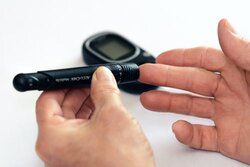
TYPE 2 DIABETES — UNDERSTANDING BLOOD SUGAR Type 2 diabetes develops when the body becomes less responsive to insulin and can no longer maintain blood glucose within a healthy range. Over time, persistently elevated blood sugar can affect the heart, kidneys, eyes, nerves, and blood vessels. Risk factors include family history, age, excess body fat, physical inactivity, and other metabolic factors. Here's the encouraging part: lifestyle changes can make a substantial difference. For some people, especially those diagnosed relatively recently, significant and sustained weight loss can lead to type 2 diabetes remission. Remission does not mean a permanent cure, and continued monitoring remains important. Small steps to improve blood sugar management: Choose balanced meals containing protein, fiber, and minimally processed carbohydrates. Replace sugary beverages with water or unsweetened alternatives. Take a 10–20 minute walk after meals when practical. Build and maintain muscle through regular resistance exercise. Prioritize consistent, restorative sleep. You don't have to wait for a diagnosis to start protecting your metabolic health.
READY TO TAKE THE FIRST STEP?
You don't have to navigate your health journey alone.
As a Certified Health & Wellness Coach, speaker, and author of Small Steps. Big Results, I'm passionate about helping people understand their health and develop practical, sustainable lifestyle habits.
Whether your goal is to manage your weight, improve your energy, support your metabolic health, or feel more confident about your future, I'd welcome the opportunity to speak with you.
BOOK YOUR COMPLIMENTARY HEALTH STRATEGY CALL
Let's discuss your goals, explore your challenges, and identify small changes that can help you move forward. No pressure.
No obligation. Just a conversation focused on you and your health. Self-care is the new healthcare. Educational information only. Health coaching complements, but does not replace, medical diagnosis, treatment, or advice. Consult your healthcare professional about medical conditions, medications, and significant lifestyle changes.

2026 Simply Health Conscious: Denver, CO